
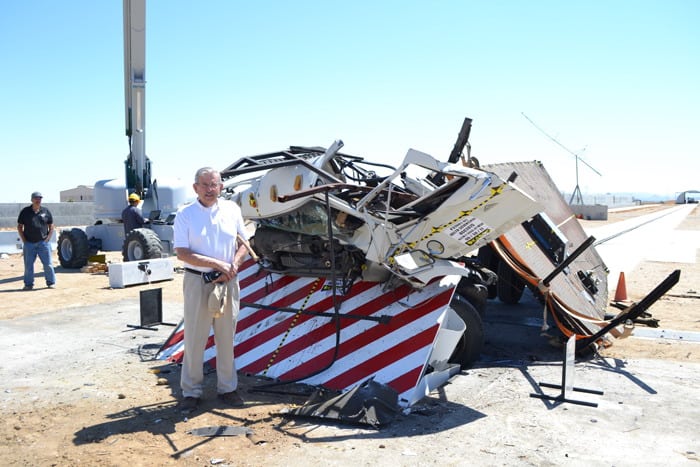
The idea behind vehicular attacks is simple. Unlike conventional weapons, larger cars and trucks are more ubiquitous, and the potential cost to morale and the population as a whole is high. The main concession is that these transports need to be manned by a person with devious intent. However, the continued computerization of vehicles, as well as the push towards complete autonomous driving, may make this form of improvised ammunition much more effective and dangerous.
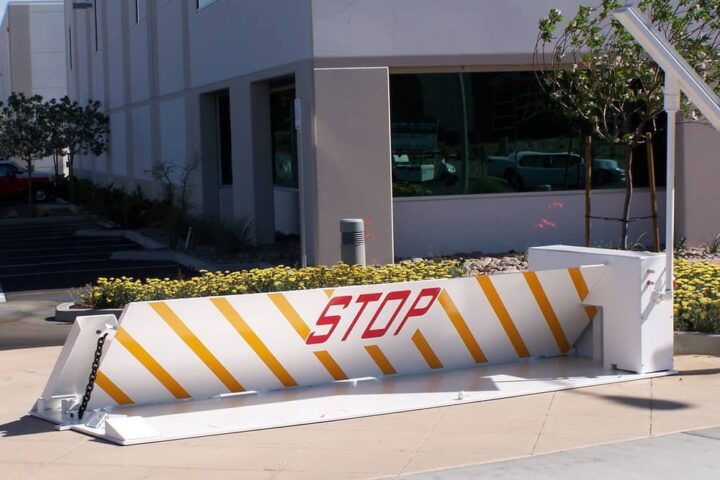
Security Challenges of Keeping the Lights On
A nation’s utilities are one of the most integral parts of its infrastructure. Disrupting electricity, natural gas or water can inconvenience, or more threaten, the lives of thousands of citizens. These facilities pose challenges not generally associated with other locations. While cybersecurity is at the forefront of utility protection, these locations still need to be protected from more traditional physical assaults as well.
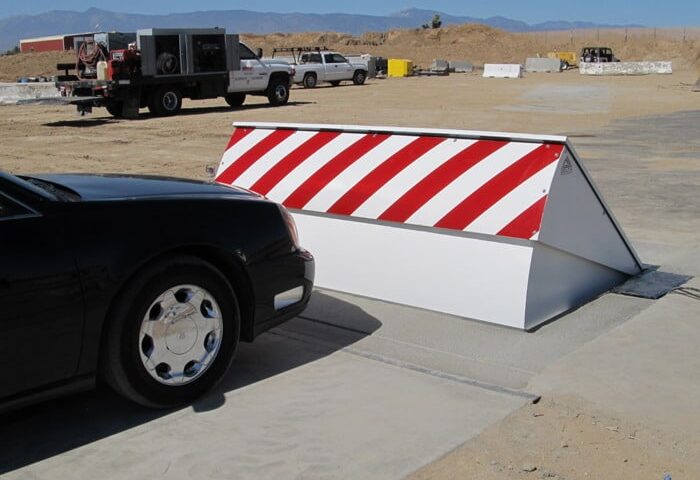
The Unexpected Reality of Large Vehicle Attacks
Terrorism takes many forms, but the most potent attacks come when everyday items are transformed into weapons of destruction. Cities the world over are faced with such attacks, and their responses will shape not only safety practices but the development of those cities as a whole. As more and more metropolitan areas add barricades and additional security measures, it comes at a cost. Pedestrian traffic and public enjoyment might be limited by barriers, but what is being sacrificed, and can those concerns be mitigated?
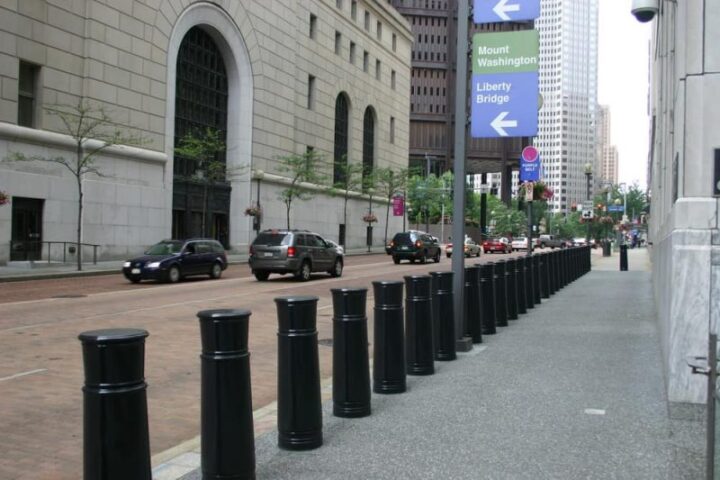
The Roles of Industrial Bollards in the Petro-Chemical Industry
Protecting infrastructure is huge responsibility in the petro-chemical industry. Your company needs the right equipment in place to ensure the safety and security of equipment and to prevent tragedies. Delta Scientific has barricade systems and solutions that make your property more secure by giving you vehicle control systems to control access around your facility.
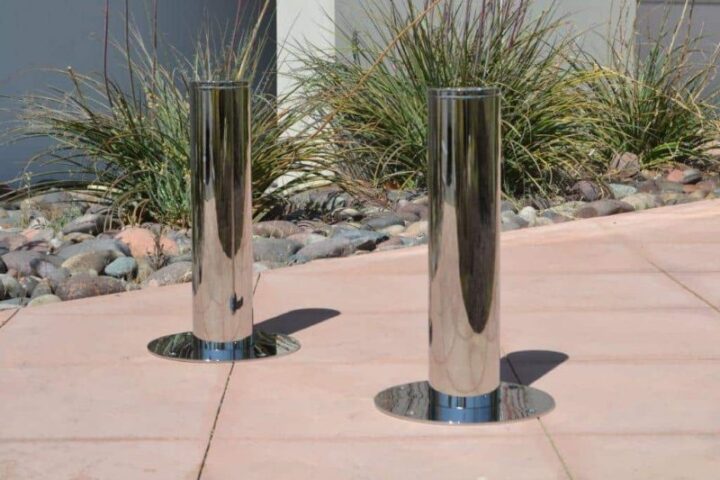
Beautiful Bollards Are the Attractive Alternative
Protecting people and property from vehicular threats would appear to be an easy task. Many buildings and roadways already have security measures in place, or rely on temporary solutions to fix permanent problems. Other areas might need to keep cars and trucks away from pathways mainly used for foot traffic but may still require vehicle access in emergencies or for maintenance work.
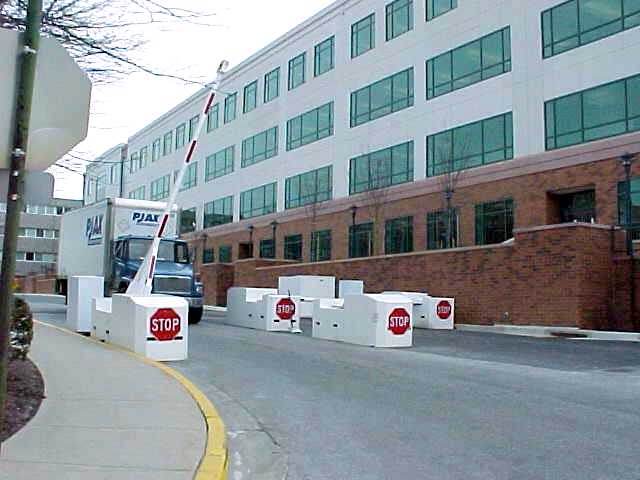
The Choice Between Permanent and Portable Barriers
Depending on the circumstances, both portable barriers & permanent structures have benefits & disadvantages. Before opting for one choice over the other, here are a few things to consider when planning your perimeter. Contact Delta Scientific to learn more about how these devices can help both secure important areas.