Learn how to budget for crash-rated barriers by accounting for foundations, utilities, controls, civil work, and long-term maintenance, not just barrier hardware.
Standard Bollard Height: What Designers and Inspectors Expect
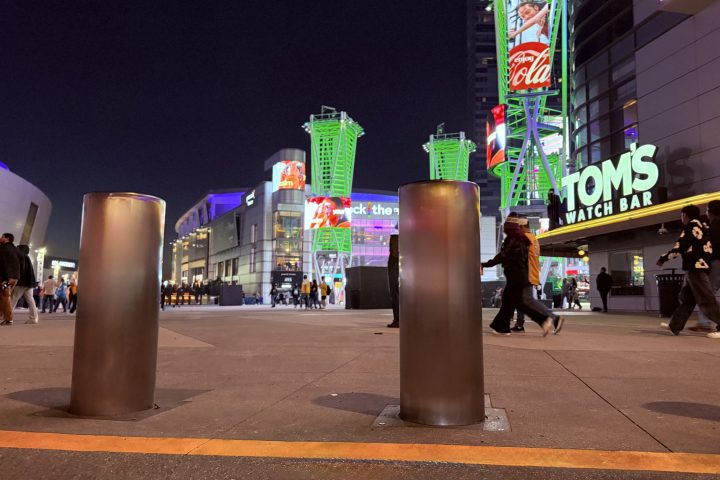
Standard bollard height usually falls between 36 and 48 inches above grade. Learn how visibility, ADA access, and ASTM crash standards shape the right height for your site.
Electromechanical vs. Hydraulic Barriers: The Question I Get Asked Most
At Delta Scientific, we manufacture and support both hydraulic and electromechanical vehicle barriers. We work with customers who specify each technology for different reasons, and we’ve seen successful installations of both around the world. That perspective has given us a front-row seat to the advantages, limitations, and long-term realities of each approach.
Vehicle Barriers for Stadium Security: Securing Plazas, Player Access, and Loading Docks
Learn where fixed bollards, portable barriers, and wedge barricades fit in a stadium security plan for plazas, VIP access, and loading docks.
Have Drones Made Vehicle Barriers Obsolete?
Vehicles remain one of the most accessible and destructive threats a facility can face. This doesn’t change simply because new technologies exist.
Crash-Rated Wedge Barriers: Where They Outperform Gates and Bollards
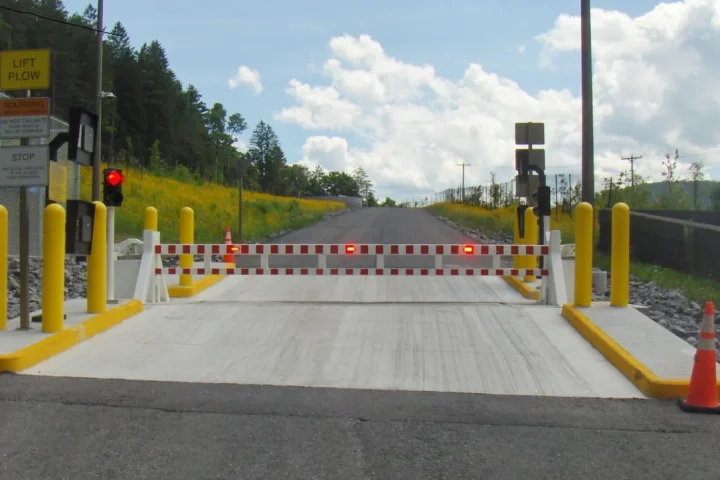
Learn where crash-rated wedge barriers outperform gates and bollards for high-throughput lanes, constrained sites, and shallow foundation conditions. Includes Delta examples and EFO speeds.
Built for the Data Center Boom: The Fastest Crash Rated Bi-Fold Speed Gate in the World
For more than 50 years, Delta Scientific has engineered perimeter security systems for some of the most demanding environments in the world. Our barriers, bollards, gates, and access control systems protect government facilities, military installations, utilities, embassies, transportation hubs, and critical infrastructure sites globally.
Crash-Rated vs Non-Crash-Rated Bollards: What Facility Owners Need To Know
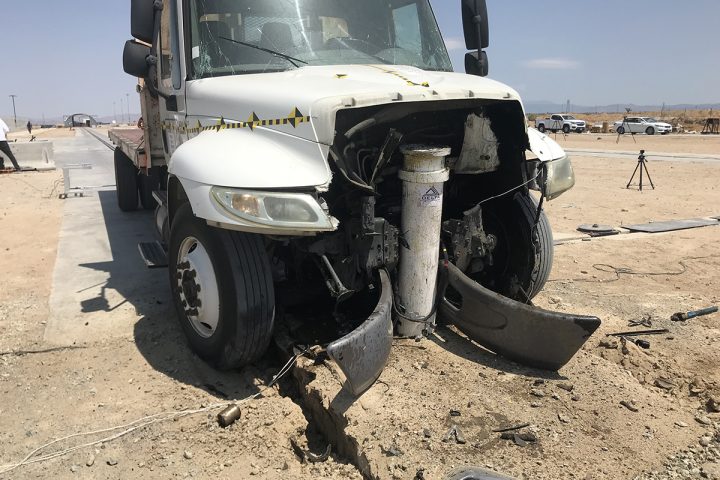
Learn the difference between crash-rated and non-crash-rated bollards, why many storefront posts are not tested, and how to choose the right level of vehicle stopping performance.
What SAFETY Act Certification Means for Perimeter Security
Learn what the The SAFETY Act, a program established by the U.S. Department of Homeland Security, means to the perimeter security industry. This program was created to encourage the development and deployment of proven anti-terrorism technologies.
Crowd Protection at City Events: Why Crash-Rated Portable Barriers Matter
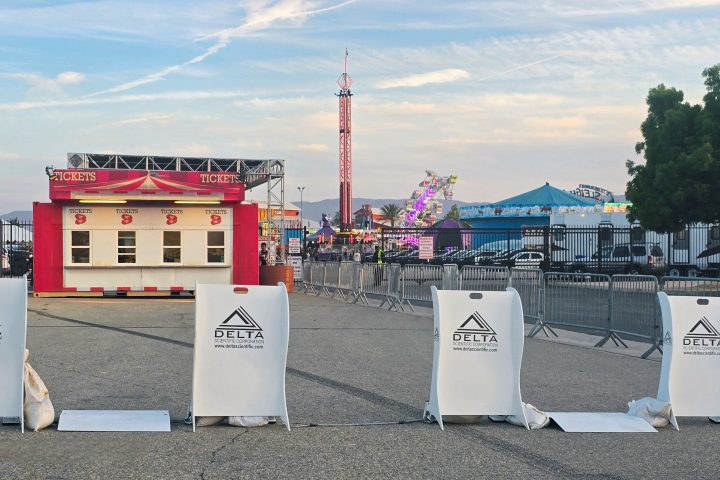
Metal barricades manage crowds, not vehicles. Learn why city events now need crash-rated solutions and how Delta’s DSC50 S Barrier helps protect parades and festivals.