When people evaluate a crash-rated vehicle barrier, they usually focus on the rating number. But I always ask one more question: What happens after the impact?
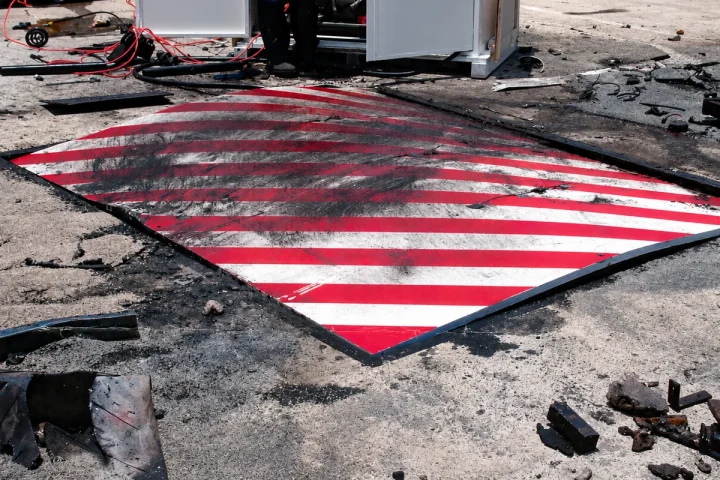

When people evaluate a crash-rated vehicle barrier, they usually focus on the rating number. But I always ask one more question: What happens after the impact?
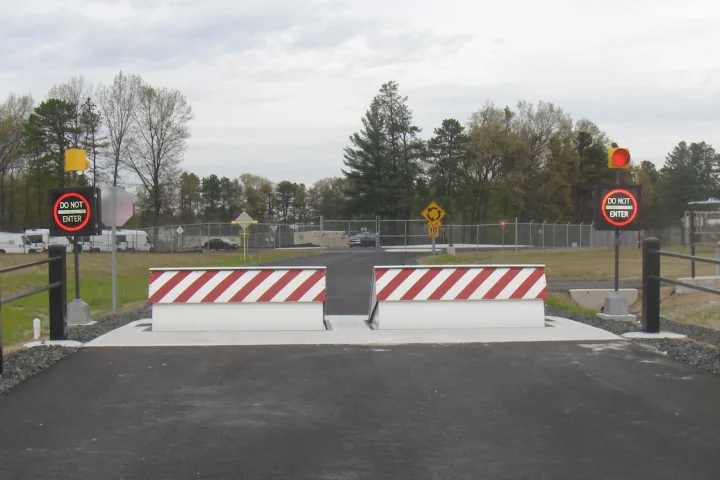
Learn how to budget for crash-rated barriers by accounting for foundations, utilities, controls, civil work, and long-term maintenance, not just barrier hardware.

Standard bollard height usually falls between 36 and 48 inches above grade. Learn how visibility, ADA access, and ASTM crash standards shape the right height for your site.

At Delta Scientific, we manufacture and support both hydraulic and electromechanical vehicle barriers. We work with customers who specify each technology for different reasons, and we’ve seen successful installations of both around the world. That perspective has given us a front-row seat to the advantages, limitations, and long-term realities of each approach.

Learn where fixed bollards, portable barriers, and wedge barricades fit in a stadium security plan for plazas, VIP access, and loading docks.

Vehicles remain one of the most accessible and destructive threats a facility can face. This doesn’t change simply because new technologies exist.